
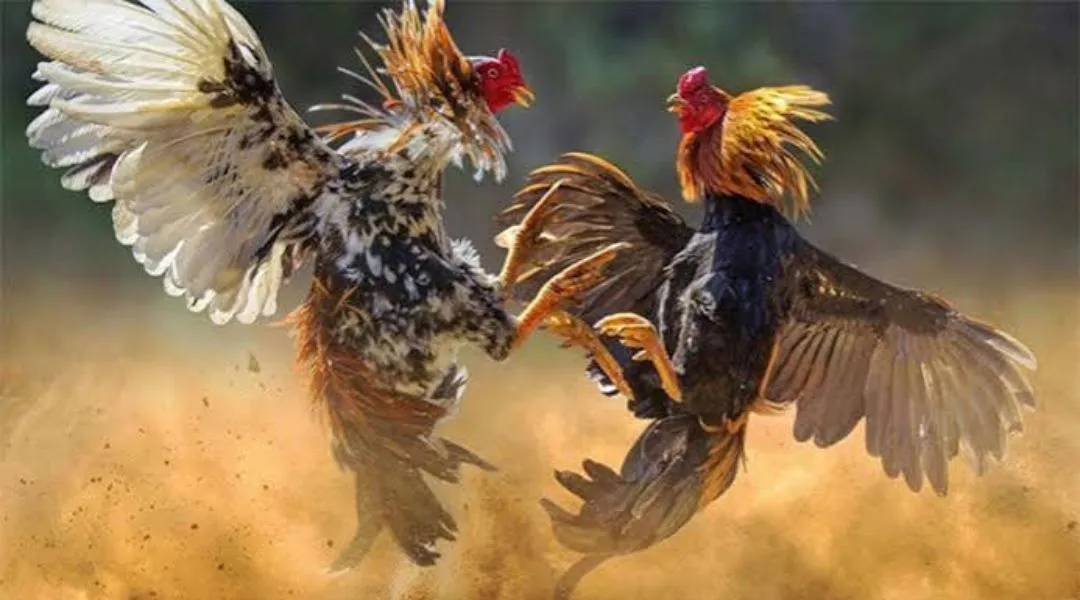
How to judge a rooster’s characteristics is a crucial skill that helps in evaluating the power, attacking ability, reflexes, and fighting spirit of a rooster before every match. By mastering these techniques, predicting match outcomes and selecting betting options becomes significantly more accurate. This JLJL66 article provides a detailed guide on observation factors, secrets to identifying strong versus weak roosters, and important tips for players to optimize their winning opportunities.
Important Factors in How to judge a rooster’s characteristics
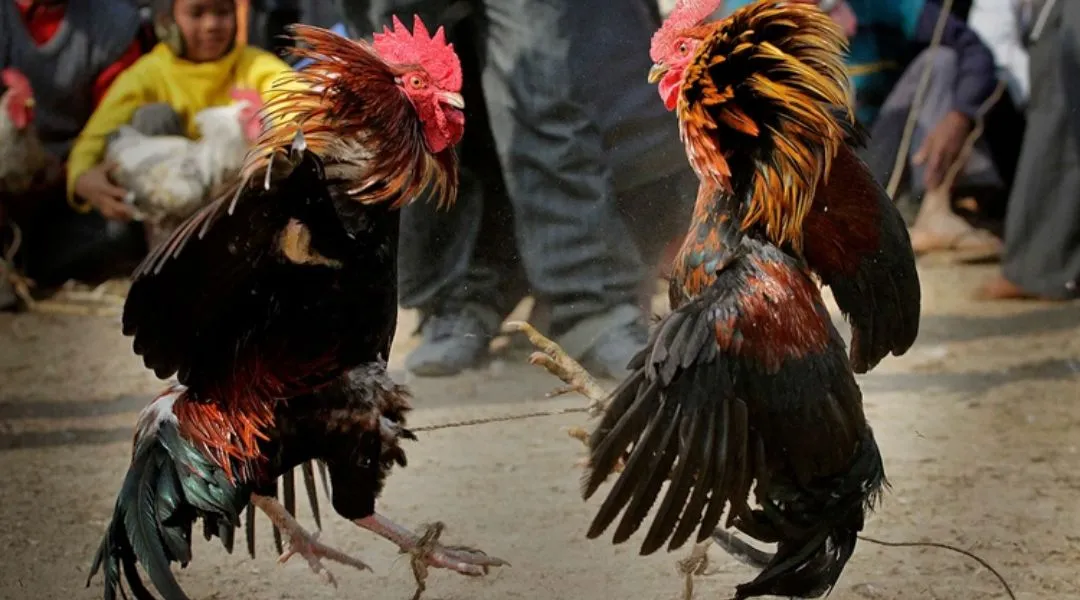
Before diving into How to judge a rooster’s characteristics, mastering the factors that determine a cock’s strength is the most important step. Careful observation will help viewers make accurate assessments, identify reasonable betting odds, and predict match results more effectively.
- How to judge a rooster’s characteristics (Physique): A firm, muscular, well-balanced, and flexible body helps the gamefowl maintain speed, endurance, and the ability to launch powerful attacks. A bird with a standard build and toned muscles usually has a dominant advantage over its opponent in direct confrontations.
- Comb and Eyes: A bright red comb, healthy skin, and keen eyes are indicators of a bird with high fighting spirit. Bright eyes not only signal good health but also reflect agility and quick reflexes against an opponent’s strikes.
- How to judge a rooster’s characteristics (Legs and Talons): Straight legs with strong driving power help the bird land accurate kicks, manage distance, and execute effective evasive maneuvers. Sturdy, well-balanced talons are also critical for maintaining the speed and impact force of every strike.
- Weight: Selecting a bird that fits the appropriate weight class is a key factor in ensuring a balanced match. A bird that is too heavy or too light compared to its opponent will face disadvantages, reducing its ability to dominate and making it easier for the opponent to exploit its weaknesses.
How to Observe Movement and Reflexes
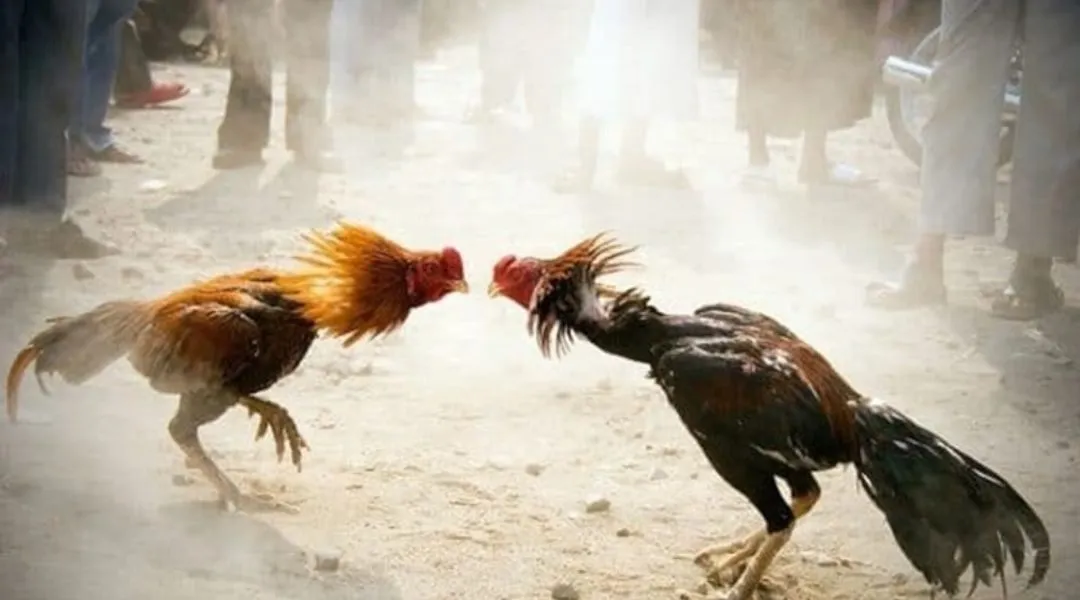
The movement and reflexes of a fighting rooster are key elements in How to judge a rooster’s characteristics. These factors not only reflect fighting skills but also demonstrate the speed, flexibility, and evasion capabilities of each rooster. When observing, viewers should pay close attention to how the rooster steps, pivots, moves in arcs, or dodges attacks from its opponent.
Fast and Flexible Movement
Roosters that move quickly and fluidly often have excellent dodging capabilities, making it easier to close the distance and land accurate attacks. When observing, pay attention to how the rooster pivots, steps, reacts to attacking situations, and its continuous movement. A flexible fighter will know how to create space, capitalize on the opponent’s attacks, and counterattack promptly.
Slow or Timid Movement Patterns
Roosters that move slowly or lack flexibility are easily overwhelmed by their opponents, reducing their chances of winning. If a rooster frequently avoids conflict or stands still when attacked, its winning odds are lower, especially against agile and proactive opponents. Carefully applying How to judge a rooster’s characteristics to such fighters helps viewers consider their choices thoroughly when betting on Meron, Wala, or BDD.
Identifying Fighting Temperament and Style
A gamefowl’s temperament throughout a match is one of the most critical elements in How to judge a rooster’s characteristics to evaluate strength, fighting spirit, and the ability to dominate an opponent. A bird with an aggressive, proactive attacking style usually demonstrates confidence and the ability to control the match from start to finish.
- Aggressive and Proactive Attacking: A gamefowl with a fierce offensive spirit often holds the upper hand and finds it easier to take down an opponent. This is a clear sign that the bird has the capability to control the pace of the match and secure an early advantage.
- Timid and Evasive: A bird that constantly evades or appears hesitant when facing attacks is unlikely to secure a victory. Such gamefowl tend to lose stamina rapidly and are easily overwhelmed if the opponent is strong.
- Reaction to Attacks: Observing how a bird handles incoming strikes helps evaluate its endurance and recovery capacity. A flexible, agile gamefowl will find ways to counter-attack as soon as it is under pressure, whereas a weak bird will be defeated early.
Listing Common Ways to Judge a Rooster’s Characteristics
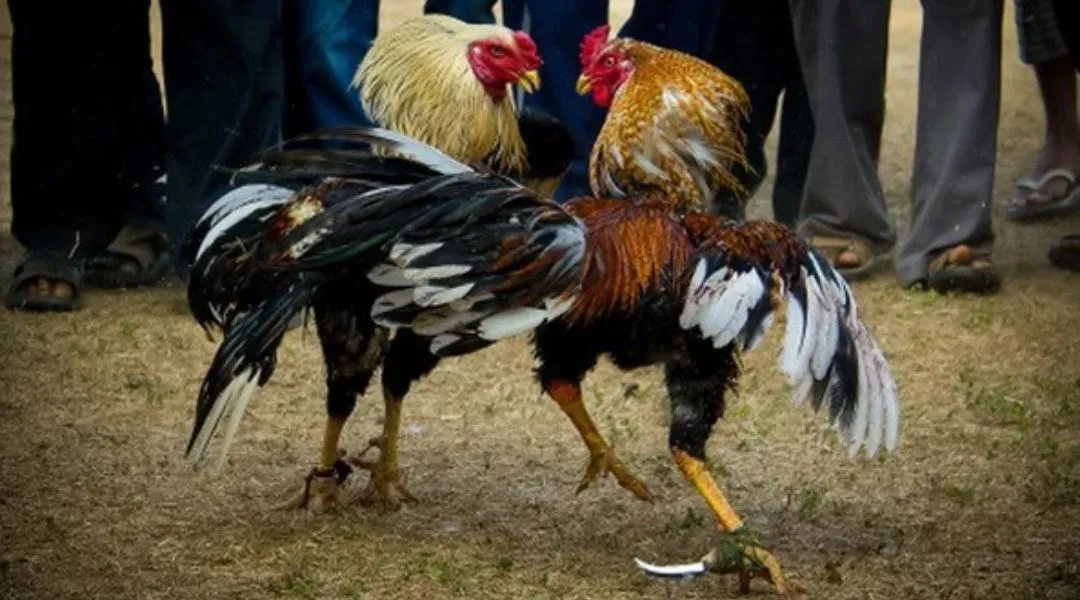
When observing a match or watching a livestream, recognizing common rooster traits will help you predict the strength, fighting style, and winning potential of each bird. Every type of gamefowl has its own pros and cons; understanding these specific characteristics will support more accurate betting decisions. Below are the most common traits and factors you need to observe regarding How to judge a rooster’s characteristics.
- Main Keyword: How to judge a rooster’s characteristics
- Meta Title: Expert Guide: How to judge a rooster’s characteristics for winning bets at JLJL66
- Meta Description: Master How to judge a rooster’s characteristics by assessing head shape, muscle, leg power, agility, and stamina. Improve your betting strategy at JLJL66 today.
Snake-like Head and Sharp Eyes
Before placing your bet, it is crucial to identify whether the bird has fast reflexes and a strong fighting spirit. A fighting cock with a compact head and sharp eyes usually demonstrates excellent observation skills and flexible reactions to any situation in the ring. These birds are adept at dodging strikes, exploiting opponent vulnerabilities, and landing lethal blows the moment an opportunity arises.
- Small, firm, and well-balanced skull.
- Bright, keen eyes with thin eyelids and a state of high alertness.
- Fast reflexes, sharp observation, and effective counter-attacking ability.
Muscular Build and Broad Chest
Observing the muscles and physique helps evaluate stamina and strike resistance. A cock with good physical power often delivers powerful, continuous blows while maintaining a steady performance throughout the match. This is a suitable choice when facing opponents who rely on speed but lack heavy hitting power.
- Firm, athletic build with a broad chest and straight keel bone.
- Well-developed muscles, high stamina, and low risk of mid-match fatigue.
- Ability to overwhelm the opponent through sheer strength and sustained pressure.
Strong Legs, Straight Stance, and Sturdy Talons
In How to judge a rooster’s characteristics, the legs are the deciding factor for strike power and balance. A fighting cock with strong legs and sturdy talons moves flexibly, lands strikes accurately, and remains more stable in high-pressure situations.
- Straight legs, thick bone structure, and strong, well-formed talons.
- Excellent balance during movement and evasive maneuvers.
- Supports powerful, stable kicks, reducing the risk of losing ground.
Agility and Quickness
The movement style and speed of the bird reflect its ability to dodge strikes and launch attacks in How to judge a rooster’s characteristics. An agile, flexible bird knows how to utilize space, dodge opponent strikes, and close in to create dangerous opportunities, providing a significant tactical advantage.
- Fast reflexes, fluid movement, and nimble footwork.
- Effective at dodging and adapting flexibly to changing match situations.
- Closes the distance to land unexpected strikes before the opponent can react.
Endurance and “Durable” Traits
Stamina is a critical factor in determining the winner of long matches when applying How to judge a rooster’s characteristics. A durable, “tough” bird does not easily succumb to pressure, maintains its rhythm, and capitalizes on counter-attacks when the opponent starts to tire.
- High threshold for taking hits and rarely gives up under pressure.
- Maintains a stable and composed demeanor throughout the entire match.
- Best suited for long-duration battles or when facing a physically stronger opponent.
Conclusion
Mastering How to judge a rooster’s characteristics is an essential skill that helps you predict a gamefowl’s strength and winning potential, thereby allowing you to choose the most reasonable betting options. By combining observations of physical appearance, movement patterns, temperament, and the latest Odds, your decision-making becomes more precise, significantly reducing risks and optimizing profits. With these guidelines, applying these techniques will become easy and effective, ensuring a smart and rewarding betting experience at JLJL66.